Introduction to Brain Health
Maintaining brain health is integral to our overall well-being, as the brain is not only the control center of the body but also a key player in regulating emotions, thoughts, and our interactions with the environment. The nervous system, comprising the brain, spinal cord, and peripheral nerves, plays a critical role in this intricate balance, influencing everything from movement to cognition. Understanding brain health is vital, as various ailments can significantly diminish quality of life and impact functionality.
Numerous factors can affect brain health, including genetic predispositions, lifestyle choices, nutritional habits, and environmental influences. Brain ailments such as neurodegenerative diseases, stroke, and traumatic brain injuries can lead to profound consequences on an individual and their family, emphasizing the necessity for early detection, effective treatment, and preventive measures. By prioritizing brain health, individuals can create supportive strategies to combat potential health issues and improve their life quality.
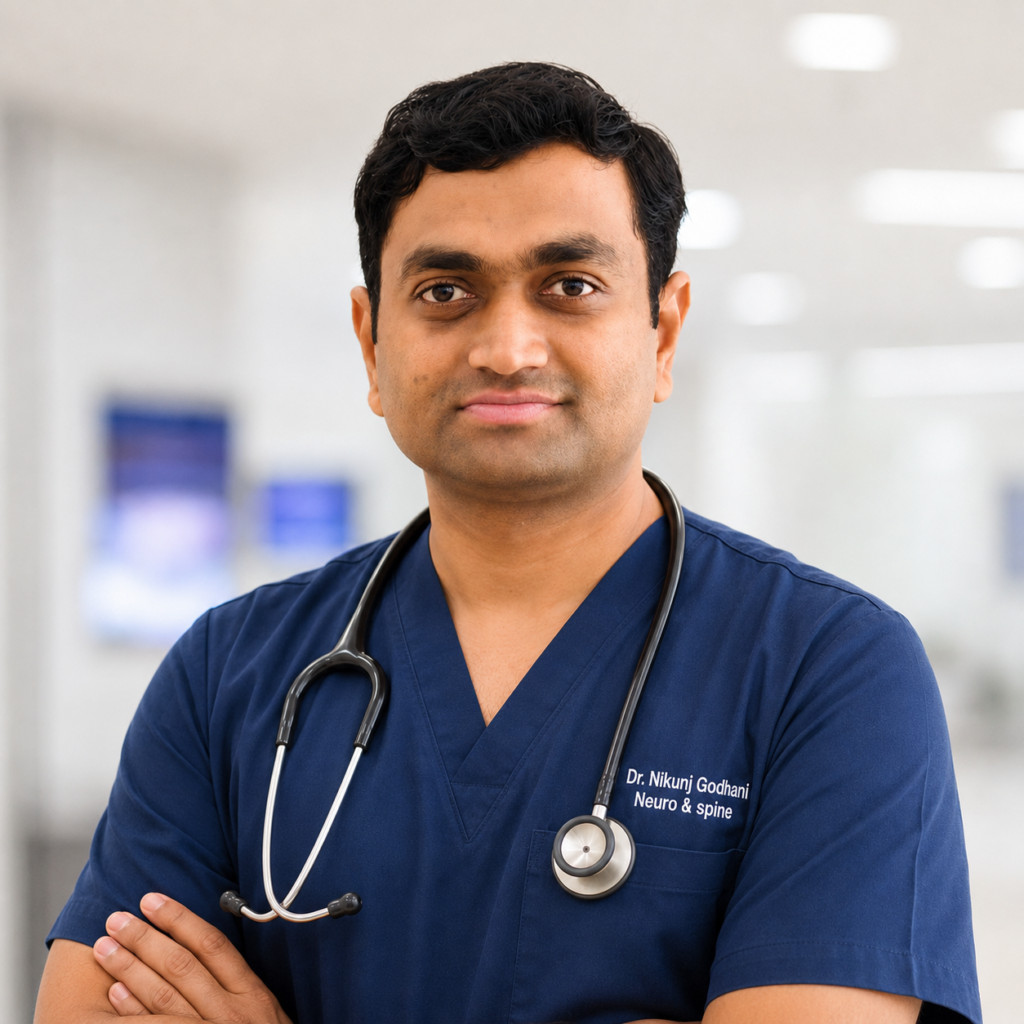
Dr. Nikunj R Godhani stands as a prominent figure in the field of neurology, bringing extensive knowledge and expertise to the study of brain and spine conditions. With a strong foundation in neurological sciences and a commitment to advancing patient care, Dr. Godhani has devoted his career to understanding complex brain ailments and their treatments. His work not only focuses on the medical management of such conditions but also on advocating for awareness and preventive practices that enhance overall health. By consulting with experts like Dr. Godhani, patients can gain valuable insights into how best to maintain their brain health and navigate the challenges posed by various ailments.
Overview of Spine Health
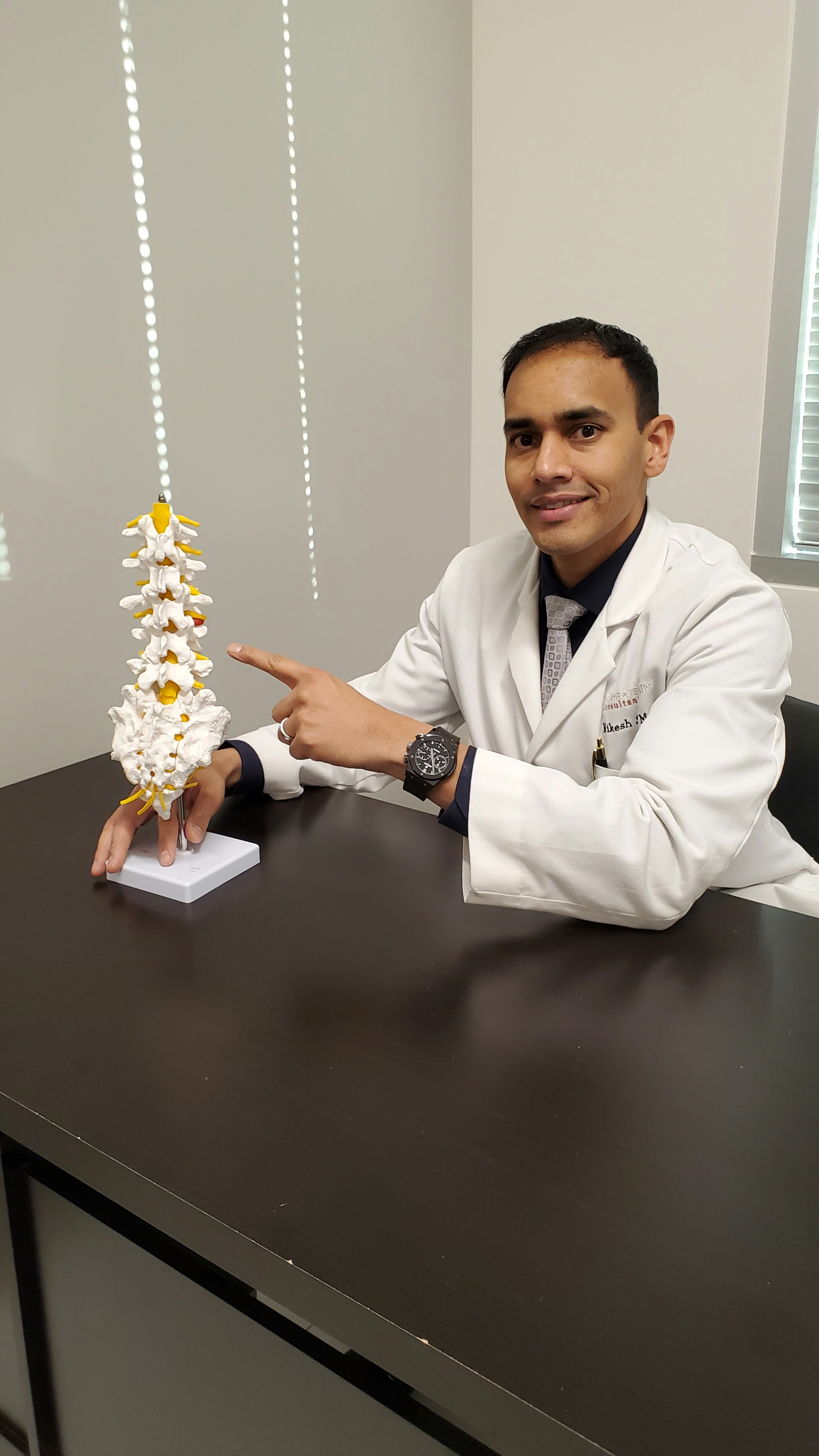
The spine plays a crucial role in maintaining overall health and functionality in the human body. Spinal health directly influences mobility, posture, and the quality of life. A well-aligned spine supports the body’s structural integrity, facilitating movement and preventing discomfort. Conversely, spinal issues can lead to significant physical limitations and impair daily activities.
Understanding the various conditions that can affect the spine is essential for preventing and treating these ailments effectively. Common spinal conditions include herniated discs, spinal stenosis, scoliosis, and degenerative disc disease. Each of these disorders can result in a range of symptoms, including pain, stiffness, and limited mobility, thereby impacting an individual’s ability to perform routine tasks.
Spinal health is not only about preventing pain but also about maintaining optimal posture. Good posture prevents undue stress on the spine and surrounding muscles, which can contribute to a healthier back and decreased risk of injury. Poor posture, often exacerbated by improper ergonomics during specific activities, can lead to chronic pain and a decline in quality of life.
Regular exercise, proper hydration, and ergonomic adjustments in workspaces are all critical factors that contribute to maintaining spine health. Furthermore, early intervention and education regarding spinal conditions are vital. Knowledge about one’s spine and the preventive measures available can facilitate timely treatment and potentially avert future complications.
Dr. Nikunj R Godhani emphasizes the significance of comprehensive spinal health assessments. His expertise in treating a variety of spinal ailments underscores the necessity for individuals to seek professional guidance when experiencing discomfort. Recognizing the importance of spine health is a fundamental first step towards achieving overall well-being and enhancing life quality.
Common Brain Ailments
Brain ailments encompass a range of neurological disorders that significantly affect one’s cognitive functions, motor skills, and overall quality of life. Among these conditions, Alzheimer’s disease, Parkinson’s disease, and epilepsy are some of the most prevalent.
Alzheimer’s disease is a progressive disorder that primarily affects memory and cognitive abilities. Initial symptoms often include mild forgetfulness and confusion, which can gradually escalate to severe memory loss and changes in personality. Diagnosis typically involves comprehensive cognitive assessments and neuroimaging techniques such as MRI or CT scans to identify characteristic brain changes. While there is currently no cure, treatment options like cholinesterase inhibitors and lifestyle modifications can help manage symptoms and slow progression.
Another significant ailment is Parkinson’s disease, a neurodegenerative disorder characterized by tremors, stiffness, and bradykinesia, which refers to slowness of movement. Early signs may include a noticeable change in handwriting or reduced facial expressions. Diagnosis is largely clinical, based on the assessment of motor symptoms. Levodopa and dopamine agonists are commonly prescribed to alleviate symptoms. Additionally, physical therapy and lifestyle changes can enhance mobility and quality of life for those affected.
Epilepsy is defined by recurrent seizures that result from abnormal electrical activity in the brain. Symptoms can vary widely, including sudden convulsions, confusion, or loss of consciousness. Diagnosing epilepsy involves neurological examinations, brain imaging, and electroencephalograms (EEG) to monitor brain activity. Anti-seizure medications are the primary treatment for managing epilepsy, though in some cases, surgical options may be considered for patients not responsive to medication.
Dr. Nikunj R Godhani’s expertise in diagnosing and treating these brain ailments has been invaluable for many patients. His approach integrates cutting-edge medical insights and compassionate care, ensuring each patient receives tailored treatment plans aimed at optimizing their neurological health.
Common Spine Disorders
The spine is a complex structure that supports the body and protects the spinal cord. However, various ailments can affect its function and integrity. Among the most prevalent spine disorders are herniated discs, spinal stenosis, and scoliosis, each presenting unique challenges for diagnosis and treatment.
A herniated disc occurs when the inner gel-like core of a disc protrudes through a tear in the outer layer. This often results from age-related degeneration or acute injury. Symptoms may include localized pain, numbness, and weakness in the arms or legs depending on the affected disc. Treatment typically involves conservative measures such as physical therapy, medications, or in persistent cases, surgical intervention.
Spinal stenosis is characterized by the narrowing of the spinal canal, which can lead to increased pressure on the spinal cord and nerves. Causes of spinal stenosis include age-related changes, arthritis, and injury. Individuals may experience pain, tingling, or muscle weakness. Management strategies may range from physical therapy to surgical options aimed at decompressing the spine.
Scoliosis, a condition marked by an abnormal lateral curvature of the spine, often develops during adolescence. The exact cause is frequently idiopathic, meaning it is not known. Symptoms can include uneven shoulders, back pain, and restricted range of motion. Depending on the severity, treatment may include observation, bracing, or surgical correction to realign the spine.
Dr. Nikunj R Godhani emphasizes an individualized approach to spine surgery, focusing on minimally invasive techniques that promote quicker recovery and reduced postoperative discomfort. His strategies are designed to address the specific needs and conditions of each patient, ensuring the best outcomes.
Surgical Interventions for Brain Ailments
Surgical interventions play a pivotal role in the treatment of various brain disorders, providing relief from symptoms and improving the quality of life for patients. Neurosurgeons, such as Dr. Nikunj R Godhani, utilize an array of advanced techniques tailored to specific conditions, demonstrating exceptional expertise in the field.
Among the most common procedures are craniotomies, which involve the temporary removal of a portion of the skull to access the brain. This surgery is often employed to remove tumors, alleviate pressure due to swelling, or repair damaged brain tissues. Another vital procedure is the placement of shunts, which are used to drain excess cerebrospinal fluid, particularly in patients suffering from hydrocephalus, thereby preventing complications associated with increased intracranial pressure.
Endoscopic techniques have gained prominence in recent years, providing minimally invasive options for surgeries that necessitate less recovery time and reduced post-operative discomfort. For instances such as pituitary tumors or certain vascular malformations, endoscopic approaches allow for direct access through natural body openings, leading to fewer complications and shorter hospital stays.
The recovery process following brain surgery is crucial and can vary significantly depending on the procedure undertaken and the individual patient. Proactive post-operative care is essential for managing pain and ensuring a smooth rehabilitation journey. Many patients benefit from specialized programs designed to regain strength, cognitive function, and overall well-being under the guidance of a skilled healthcare team.
Dr. Nikunj R Godhani emphasizes the importance of personalized care throughout the surgical process, from pre-operative assessments to post-surgery follow-ups. By closely monitoring patients and adjusting recovery plans as necessary, he ensures optimal outcomes for those undergoing surgical interventions. In the context of brain ailments, surgical options remain a cornerstone of treatment, illustrating the significant advancements in neurosurgical practices and the vital role of expert care in patient recovery.
Surgical Treatments for Spine Conditions
Surgical treatment strategies for spine conditions have evolved significantly over the years, focusing primarily on patient safety, comfort, and recovery efficiency. Minimally invasive techniques have emerged as a preferred option for addressing various spine ailments. These procedures employ smaller incisions and advanced tools, resulting in less trauma to surrounding tissues compared to traditional open surgery.
Minimally invasive spine surgery (MISS) is designed to reduce recovery time and improve postoperative outcomes. For instance, techniques such as endoscopic spine surgery allow surgeons to visualize the spine and perform necessary repairs without large incisions. This approach helps minimize blood loss, reduce pain, and shorten hospital stays, which contributes to an overall faster return to normal activities for the patient.
Dr. Nikunj R Godhani, known for his expertise in surgical treatments for spine conditions, emphasizes patient safety throughout these procedures. Rigorous preoperative assessments are conducted to understand each patient’s unique health status and tailor the surgical strategy accordingly. His surgical team adheres to stringent protocols to ensure a high standard of care, including monitoring vital signs and minimizing infection risks during operations.
After surgery, recovery expectations can vary, but with minimally invasive techniques, most patients report quicker relief from symptoms and a significant reduction in rehabilitation time. Patients are often encouraged to engage in physical therapy shortly after surgery, allowing them to regain strength and flexibility promptly. Dr. Godhani works closely with his patients, providing personalized recovery plans that account for individual healing rates and lifestyle needs.
In conclusion, surgical treatments for spine conditions have transformed through the adoption of minimally invasive methods that prioritize patient safety and comfort. With skilled practitioners like Dr. Nikunj R Godhani, individuals suffering from spine ailments can find effective relief and enhanced recovery experiences.
Innovative Techniques in Neurosurgery
The field of neurosurgery has witnessed remarkable advancements, significantly enhancing patient outcomes and improving surgical precision. Under the guidance of experienced surgeons like Dr. Nikunj R Godhani, innovative techniques are becoming commonplace in the operating room. These advancements not only streamline complex procedures but also facilitate safer interventions for patients with brain and spine ailments.
One of the most notable innovations in neurosurgery is the integration of minimally invasive surgical techniques. Traditional open surgeries often require extensive incisions and longer recovery times. However, techniques such as endoscopic surgery enable surgeons to access the brain or spine through smaller openings, reducing trauma to surrounding tissue. This approach results in less postoperative pain and shorter hospital stays, which are critical parameters in patient recovery.
Moreover, the introduction of advanced imaging technologies—such as intraoperative MRI and CT scans—has transformed how neurosurgeons navigate complex anatomies. These imaging modalities allow for real-time visualization of the surgical field, improving the accuracy of tumor resections and other interventions. With precise imaging, surgeons can make better-informed decisions during operations, thereby enhancing the likelihood of successful outcomes.
Robotics is another area witnessing significant growth in neurosurgery. Robotic-assisted systems provide unparalleled dexterity and control for neurosurgeons, allowing for intricate procedures to be performed with higher precision. This technology not only aids in the accuracy of the surgery but also minimizes risks associated with human error.
Research and clinical trials are continuously pushing the boundaries of what is possible in neurosurgery. Innovative approaches, such as gene therapy and neural regeneration techniques, promise new avenues for treating various brain and spine conditions. As these advancements gain traction in the medical community, they hold the potential to revolutionize patient care and significantly improve recovery trajectories.
Post-surgery Care for Brain and Spine Patients
Post-operative care is a critical aspect of recovery for patients undergoing brain and spine surgeries. The complexities associated with such procedures necessitate a comprehensive recovery plan that addresses both physical and emotional well-being. A well-structured post-surgery care protocol is essential to mitigate complications and enhance the healing process.
Rehabilitation begins immediately after surgery, often involving a multidisciplinary team that may include neurologists, physiotherapists, and occupational therapists. This collaboration ensures that the patient receives tailored therapies that match their specific needs. Physical therapy, for example, plays a pivotal role in restoring mobility and strength following surgery. It is designed to help patients regain independence, improve their range of motion, and manage pain effectively.
In addition to physical rehabilitation, ongoing support is paramount. Dr. Nikunj R Godhani emphasizes the significance of regular follow-up appointments, which allow for monitoring of the patient’s progress and any potential complications that may arise. These follow-ups can help in adjusting medication, assessing neurological functions, and providing guidance on lifestyle modifications that could enhance recovery.
Furthermore, psychological support cannot be overlooked. Patients often face emotional challenges post-surgery, including anxiety or depression stemming from their health condition. Access to mental health counseling during recovery can facilitate better coping strategies and promote a positive outlook.
In conclusion, the effective management of post-surgery care for brain and spine patients involves an integrated approach that encompasses physical rehabilitation, ongoing medical support, and psychological counseling. The collaboration of healthcare professionals, alongside the engagement of patients in their recovery journey, is essential to achieving optimal outcomes after brain and spine surgeries.
Conclusion: Choosing the Right Specialist
In navigating the complexities of brain and spine ailments, the importance of consulting a specialist cannot be overstated. These conditions often require a nuanced understanding and a skilled approach to ensure the best possible outcomes for patients. Dr. Nikunj R Godhani exemplifies the qualities one should look for when choosing a healthcare provider for neurological and spinal issues.
Dr. Godhani’s extensive qualifications—highlighted by his advanced training and years of dedicated practice—underscore the critical need for expertise in this field. As a board-certified neurosurgeon, he has demonstrated a commitment to staying abreast of the latest advancements in medical science and patient care protocols. His approach emphasizes the integration of cutting-edge techniques with a compassionate understanding of each patient’s unique situation, which is fundamental in the treatment of complex brain and spine conditions.
In conclusion, seeking guidance from a specialist like Dr. Nikunj R Godhani can make a significant difference in the management of neurological health issues. Patients experiencing symptoms such as chronic pain, neurological deficits, or other concerns related to the brain and spine should prioritize consulting with an expert. Such consultations can lead to accurate diagnoses, effective treatment plans, and ultimately, improved quality of life. By choosing to engage with a qualified professional, patients empower themselves to take proactive steps toward better health outcomes.